CODE at checkout.
Build backend judgment fewer engineers have, more companies need.
Follow clear reading guides on the canonical books. Design systems, review code, refactor legacy and get instant feedback against a senior-engineer rubric.
Join members from companies like
Sound familiar?
- You've started Designing Data-Intensive Applications twice. You're not sure you'd remember chapter 3 if asked.
- You read technical books passively because you have no way to test whether you actually understood them.
- You make architectural decisions by pattern-matching what you've seen at work, not by reasoning from principles you've internalized.
- You've never had your code review skills, design instincts, or refactor judgment evaluated against a senior-engineer rubric.
- You learn what your current job exposes you to, which is a narrow slice of what senior engineers actually need to know.
"This course was exactly what I needed. It helped me stop giving up on hard technical books and finally finish them. The quizzes are excellent for checking my understanding and making sure I can actually use the theory in real tasks."
How the Lab works
Diagnose your gaps
Before you read a word, a diagnostic surfaces what you actually understand versus what you only think you do. The result shapes your reading map for the book.
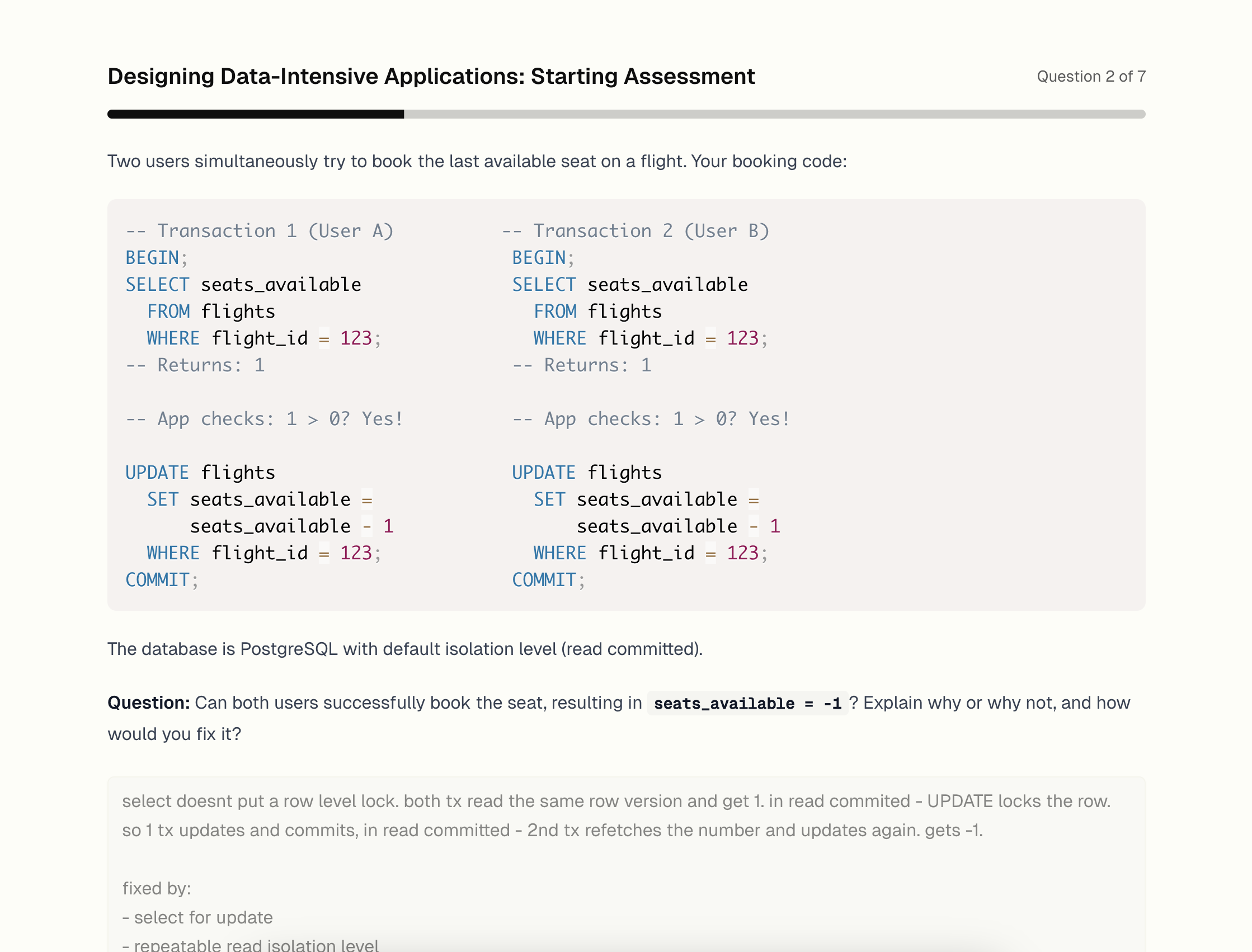
Read the book with a reading map shaped around your gaps
The Lab's current book is Designing Data-Intensive Applications, which takes about three months at a sustainable weekly pace. The reading map tells you which chapters to read deeply, which to skim for context, and which to skip entirely. Each book in the curriculum runs at a similar cadence.
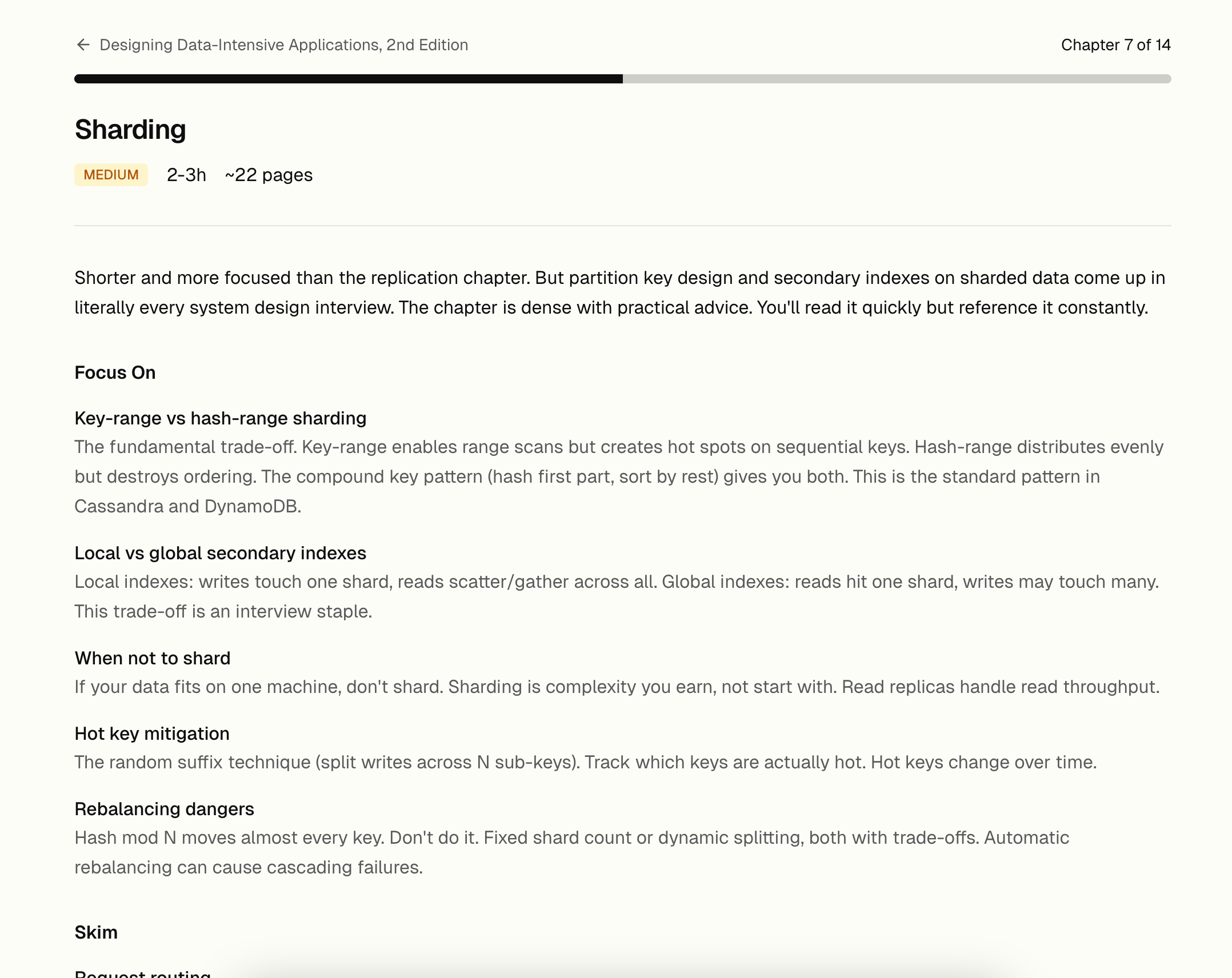
Practice what you read
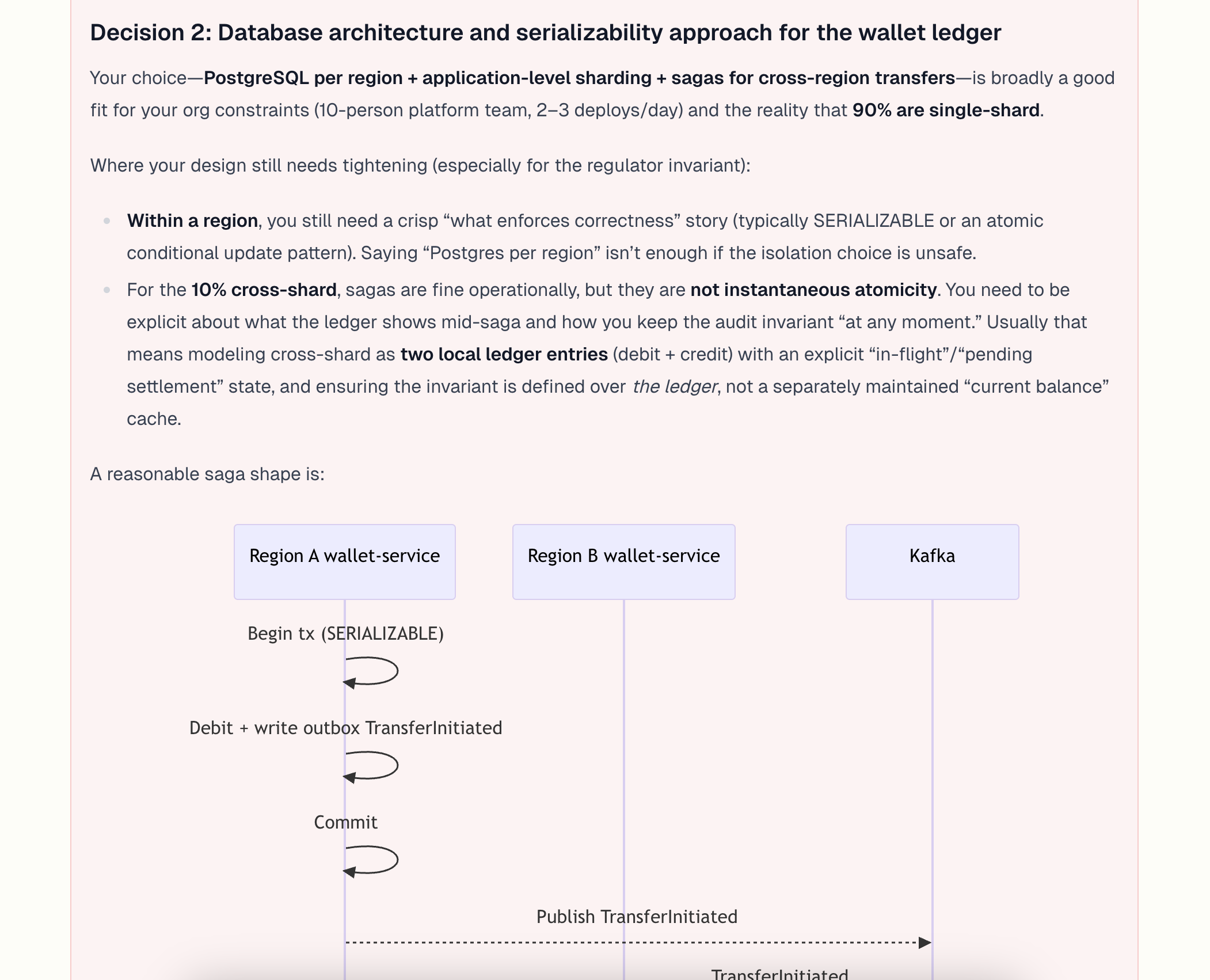
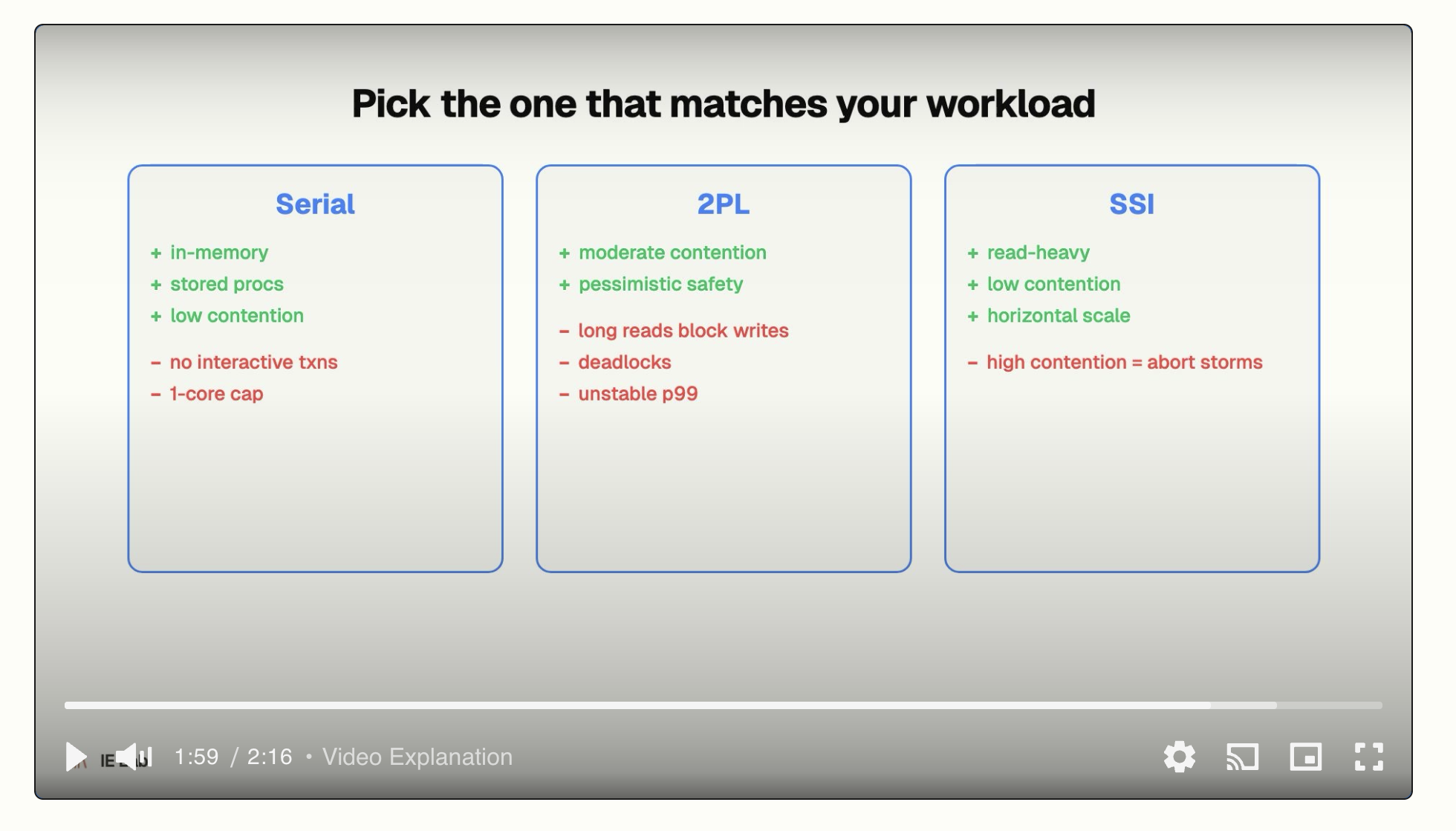
Each week, you complete a handcrafted assessment built for the chapters you just finished: a code review, an HLD, a refactor, or a trade-off scenario. Within seconds, you get feedback against a senior-engineer rubric, and when the topic is dense enough that text alone won't cut it, there's a video explanation waiting.

Discuss with peers working through the same book
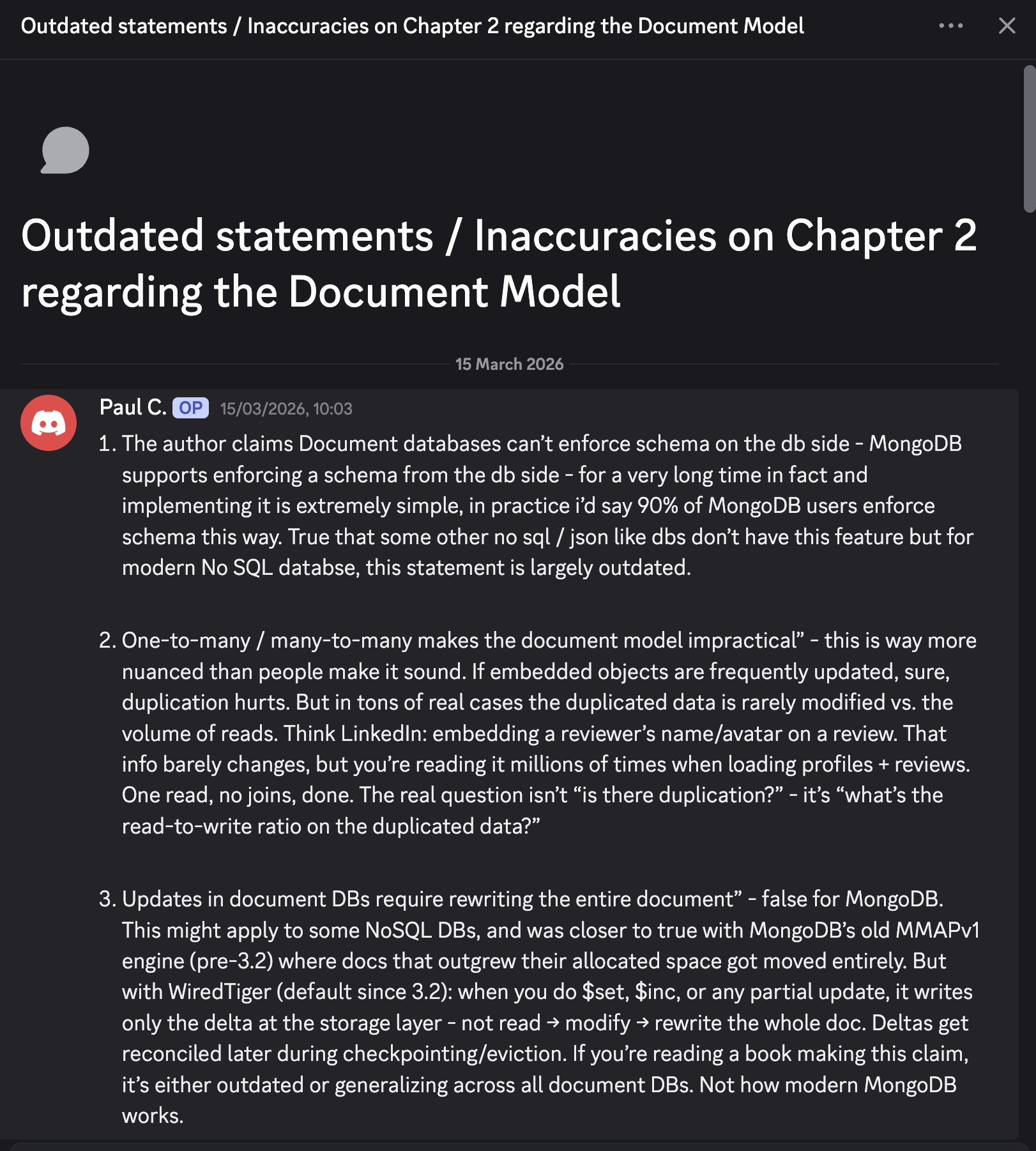
Members share what they're noticing in the chapters, including the parts the book got wrong. Weekly threads tied to the chapters you're on, denser with each cohort.
After your first book
Four capabilities that quietly mark the difference between mid-level and senior.
You design systems end to end
You can take an ambiguous problem, choose a shape, name the tradeoffs, and produce a design doc a senior engineer engages with rather than rewrites.
You read code architecturally
Beyond style and bugs, you see the wrong abstraction, the implicit coupling, the consistency assumption that breaks at scale. Your reviews change PRs, not just polish them.
You see refactors that move the product forward
You can tell essential complexity from accidental, and you know when a rewrite earns its cost versus when it just rearranges code that already works.
You own technical decisions in front of other engineers
In design reviews, standups, and 1:1s, you make calls and defend them with reasoning grounded in principles, not pattern-matching.

Denis
Senior Backend Software Engineer
"This learning system got me to senior level at 22 y.o."
- Curated, sequenced book curriculum
- Knowledge gap diagnostic before each book
- Detailed reading maps: what to read deeply, skim, or skip
- Handcrafted weekly assessments: code reviews, HLDs, refactoring challenges
- Instant AI feedback on every submission, against senior-engineer rubrics
- Video explanations on complex topics
- Private community of serious backend engineers
Cancel anytime.
The honest answers
The Lab is built for working engineers. About 30 minutes of reading a day and one assessment a week. The cadence adapts to the book, not the other way around. Designing Data-Intensive Applications runs about three months at a sustainable pace, and if you fall behind a chapter, you pick up where you left off. This isn't a bootcamp.
Mid-level backend engineers with two to five years of experience who want to build the depth and judgment to reach senior and beyond. If you're past the basics but feel the path from where you are to senior is unstructured, this is for you.
No. The curriculum is language-agnostic and principle-driven. You'll work on code quality, architectural tradeoffs, data modeling, and engineering fundamentals that apply regardless of whether you write Go, Java, Python, or anything else.
You review real code for design flaws, write and critique high-level designs, make refactoring decisions with genuine tradeoffs, and defend your reasoning. The same kind of thinking senior and staff engineers do daily.
No. Each assessment has a handcrafted senior-engineer rubric: the correct answers, the canonical best approaches, and the trade-off frameworks for that specific scenario. The AI evaluates your submission against that rubric, in seconds. It's not generating opinions, it's applying a rubric a senior engineer wrote.
Each of those is good at something specific:
- LeetCode is for passing interviews and grinding algorithmic problems
- boot.dev is for learning a programming language from scratch
- Technical books are for building deep theoretical understanding
- CodeCrafters is for re-implementing systems to learn internals
The Lab is for the gap none of them fills: turning what you read into engineering judgment you can actually defend at work. Reading maps that cut filler, weekly assessments that require real reasoning, AI feedback against senior rubrics, peers working through the same material. The system between knowing things and using them.